
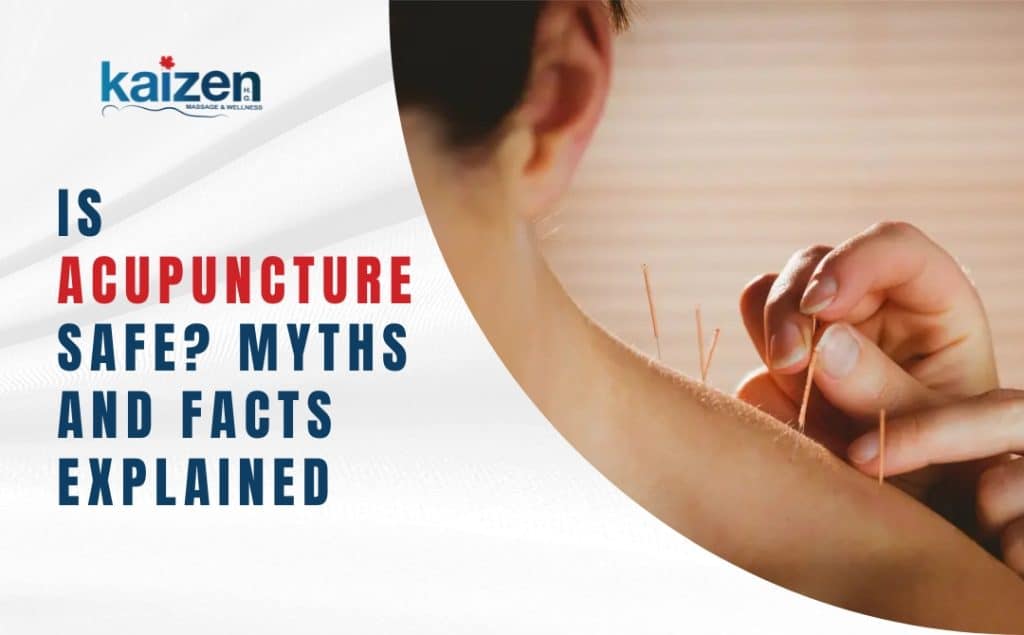
Is acupuncture really safe? Can those tiny needles actually fix chronic pain or are we just buying into ancient hype? And what if something goes wrong like bleeding, bruising, or infection?
These are the kinds of questions people don’t ask out loud, but they’re thinking about them. Acupuncture has been in the market for years, but in today’s world of fast medicine and clinical science, it’s fair to question what’s fact and what’s outdated fiction.
Let’s clear the fog and break down the real deal behind acupuncture, how safe it really is, and what you should watch out for.
What Exactly Is Acupuncture?
Acupuncture has been used for centuries and remains one of the most trusted treatments in Traditional Chinese Medicine (TCM). It works by placing ultra-thin needles into precise points on the body, known as acupoints. These points are selected to encourage healing and balance within the body.
In TCM, this process helps move Qi (pronounced “chee”)—the life energy that flows through invisible channels called meridians. When this flow gets disrupted, it may lead to discomfort, stress, or illness. Acupuncture helps restore the flow and support the body’s natural rhythm.
From a scientific perspective, acupuncture stimulates the nervous system. This triggers the release of natural pain-relieving chemicals, such as endorphins and neurotransmitters. It also improves circulation and calms the stress response.
So while its roots are ancient, acupuncture continues to offer powerful support for those seeking relief and balance.

You can also read this: The Role of Acupuncture in Boosting Immunity and Preventing Illness
Why Safety Concerns Around Acupuncture Exist
The hesitation around acupuncture often stems from fear of needles, hygiene concerns and a lack of understanding of what really happens during a session.
The truth? Acupuncture is generally very safe when performed by a trained, licensed practitioner using sterile, single-use needles. Acupuncturists must meet strict regulatory standards and safety protocols.
But like any treatment, there are risks when not done correctly. According to NCCIH, risks may include:
- Minor bruising or soreness at needle sites
- In rare cases, infections or injuries from improper technique or non-sterile needles
- Potential complications if performed by unqualified providers
How Acupuncture Really Feels (And Why It’s Not What You Expect)
When people hear “needles,” they think of blood draws or vaccinations. Acupuncture needles are as thin as a strand of hair and don’t feel the same at all.
Most patients report:
- A mild tingling or warmth
- A dull, achy sensation (a good sign—called “de qi”)
- Deep relaxation or even sleep during sessions
If something feels sharp or uncomfortable, your acupuncturist can adjust the needle immediately. Good communication with your practitioner makes a huge difference.
Still hesitant? For those who are needle-phobic, alternatives like laser acupuncture or acupressure can offer similar benefits without needle insertion.
Real Benefits of Acupuncture You Might Not Expect
Many people come to acupuncture expecting help with one thing, and walk away surprised by how many other areas improve too.
Here are some benefits of acupuncture:
- Chronic pain (arthritis, sciatica, migraines)
- Anxiety and stress
- Hormonal imbalances and fertility
- Digestive issues like IBS and bloating
- Allergies and sinus problems
- Fatigue and insomnia
- Speeds up injury and post-surgery recovery
- Balances hormones (PMS, PCOS, menopause)
Patients often describe it as hitting a reset button, bringing relief to both the body and the mind in one go.

Common Myths About Acupuncture: Debunked
Let’s clear up the confusion. If any of these sound familiar, you’re definitely not alone:
Myth 1: Acupuncture is painful
Fact: It shouldn’t be. In fact, many patients feel calm, sometimes even euphoric, during a session.
Myth 2: It only works if you believe in it
Fact: Acupuncture has measurable physiological effects. A study in Nature Neuroscience demonstrated that acupuncture can trigger the release of adenosine, a natural painkiller.
Myth 3: It’s only for back pain
Fact: Acupuncture supports a wide range of conditions from migraines and allergies to fertility and anxiety.
Myth 4: Acupuncture is outdated
Fact: The World Health Organization officially recognizes acupuncture as an effective treatment for over 100 conditions.
Myth 5: It’s unsafe
Fact: Acupuncture is regulated and safe when done by certified professionals using sterile, single-use needles.
You can also read: Acupuncture Therapy: 9 Frequently Asked Questions & Concerns
Why So Many Individuals Are Turning to Acupuncture?
Acupuncture is no longer viewed as something to try after everything else has failed. For many people, it’s becoming one of the first choices when looking for relief without relying on medications. There is a growing shift toward natural and holistic care, and acupuncture is playing a significant role in this movement.
People often combine it with physiotherapy, massage, or chiropractic care to feel better more quickly and stay healthier for longer. At Kaizen Health Group, treatments are personalized for each individual. Some come in to ease chronic pain, others want support with fertility or help with sleep and energy levels. Every person is cared for with attention to their full health picture.
