

Pregnancy is a special time in a woman’s life. But it also brings a lot of changes to the body from sore muscles and swollen feet to stress and poor sleep. Many women look for ways to relax and feel better during this period. One of the safest and most comforting choices is massage therapy.
But should you go for a regular massage or a prenatal massage?
In this guide, we’ll explain the difference between the two and help you decide what’s best for you.
What Is a Prenatal Massage?
A prenatal massage is a special type of pregnancy massage designed for expecting mothers. It is safe and gentle, and it focuses on the unique needs of a pregnant woman’s body. The therapist uses soft strokes and light pressure to ease muscle pain, reduce swelling, and promote relaxation.
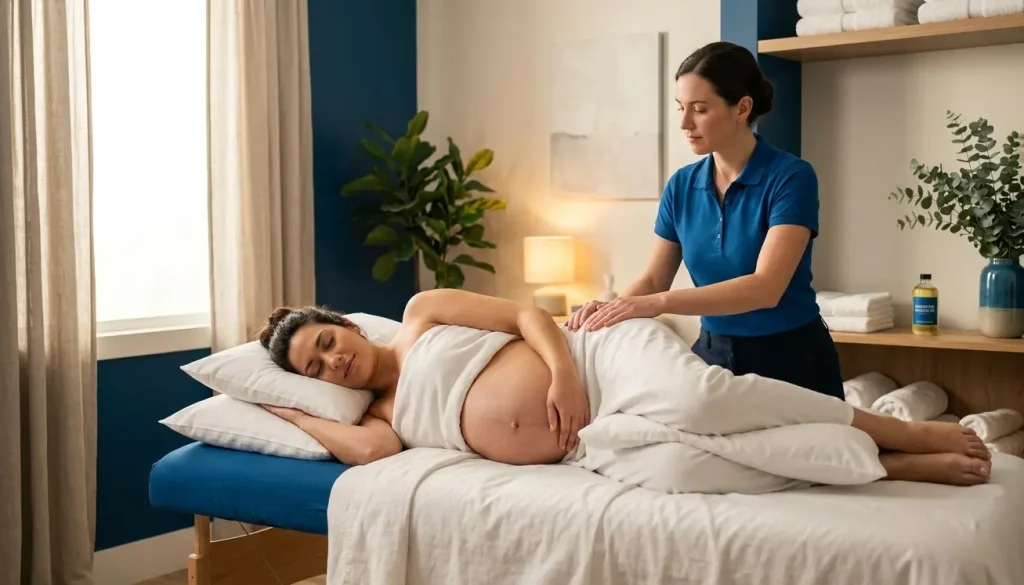
In a prenatal massage, the woman usually lies on her side or uses special cushions to support her belly. Therapists avoid pressure points that could trigger contractions, and they use oils or lotions that are safe for pregnancy.
A study published in the NIH found that women who received bi-weekly prenatal massages reported less back pain, lower anxiety, and better sleep after just five weeks.
Another study from Research Gate showed that massage during pregnancy reduced stress hormones by 30% and increased the “feel-good” hormone dopamine.

What Is a Regular Massage?
A regular massage (also called a classic or Swedish massage) is designed for general muscle relaxation and stress relief. It includes long strokes, kneading, and deep pressure. Many people use it to treat tension, pain, or injury.
Regular massage may use stronger pressure and a wider range of movements, including on the back, legs, arms, and neck. Essential oils, hot stones, or tools may be used too depending on the style.
While regular massage is great for most people, it is not always safe for pregnant women, especially in the early months. The deep pressure used in regular massage can be too strong for a changing pregnant body. Also, some pressure points and oils are not safe during pregnancy.
Key Differences: Prenatal Massage vs. Regular Massage
Feature | Prenatal Massage | Regular Massage |
Best For | Pregnant women (after 12 weeks) | Non-pregnant individuals |
Pressure Used | Light to medium | Medium to deep |
Body Position | Side-lying or supported | Face down or up |
Focus Areas | Lower back, hips, legs, shoulders | Full body, deep tissue |
Products Used | Pregnancy-safe oils/lotions | Regular oils, tools, scents |
Safety | Very safe after first trimester | Not recommended during pregnancy unless modified |
Benefits of Pregnancy Massage (Prenatal)
- Relieves back pain and joint stress
- Reduces swelling in hands and feet
- Improves sleep quality
- Boosts blood circulation
- Lowers stress and anxiety
- Improves mood and reduces depression symptoms
- Helps prepare muscles for labor
According to the American Pregnancy Association, regular prenatal massage can also help regulate hormone levels and reduce the risk of premature birth in high-stress pregnancies.
When Should You Get a Prenatal Massage?
Most experts recommend starting after the first trimester (12 weeks). During the early weeks, the body is still adjusting, and there is a higher risk of miscarriage. After that, massage becomes a great way to manage the physical and emotional changes of pregnancy.
You can get a pregnancy massage once or twice a month, or more often if your doctor allows. Many women find it especially helpful in the third trimester when the body feels heavier, and sleep becomes more difficult.
Tips for Safe Pregnancy Massage
- Always choose a trained prenatal massage therapist
- Avoid lying flat on your back for long
- Make sure oils or lotions are pregnancy-safe (unscented or mild scents like lavender or chamomile)
- Tell your therapist about your pregnancy stage and any issues (back pain, swelling, mood changes)
- Drink water before and after your massage to stay hydrated
If you have high-risk pregnancy conditions (like high blood pressure, bleeding, or diabetes), talk to your doctor before getting any kind of massage.
Final Thoughts
Pregnancy is a time when your body needs extra love and care. While regular massages are great for general pain and stress, they are not designed for pregnant women. Prenatal massages are gentle, safe, and tailored for your changing body. They help reduce swelling, ease back pain, and support emotional well-being.
At Kaizen Health Group, our skilled massage therapists use soft techniques and safe products to give expecting mothers the care they deserve. Whether you’re in your second or third trimester, a calming prenatal massage can help you feel stronger, more relaxed, and more prepared for your journey to motherhood.
Frequently Asked Questions
What is a prenatal massage and is it safe?
A prenatal massage is a gentle, relaxing massage made for pregnant women. It helps reduce back pain, swelling, stress, and sleeplessness. It is very safe for most women after the first trimester (after 12 weeks). Just make sure the therapist is trained in pregnancy massage and uses safe oils and positions.
Can I get a regular massage while pregnant?
It’s best to avoid a regular massage during pregnancy unless the therapist makes special adjustments. Regular massages often use deep pressure and strong techniques that may not be safe for your body during pregnancy. A pregnancy massage is safer and better suited for your needs.
When should I start prenatal massage during pregnancy?
Most doctors recommend starting pregnancy massage after the first 12 weeks. This is when the risk of miscarriage goes down. You can get massages once or twice a month, or more often if your doctor agrees and you feel comfortable.
What are the benefits of pregnancy massage?
Prenatal massage can:
- Reduce back and hip pain
- Improve sleep
- Lower stress and anxiety
- Reduce swelling in legs and feet
- Help muscles prepare for labor
It also helps boost your mood and keeps your body feeling cared for during a time of big changes.
What oils or products are used in prenatal massage?
Therapists use pregnancy-safe oils or lotions like sweet almond, jojoba, or grapeseed oil. They avoid strong scents and use light, natural essential oils only when safe like lavender or chamomile. Always let your therapist know if you have allergies or sensitive skin.
